INTERIOR DESIGN
FIDI, DESIGN SCHOOL IN FLORENCE, ITALY
FIDI is a specialist Interior Design school in Florence, Italy, offering studio-based education taught entirely in English. Students can study at diploma, bachelor's and master's level developing creative, technical and professional skills through individual design projects. FIDI is designed for international students seeking to study Interior Design in Italy in English.
Overview
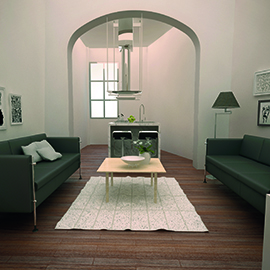
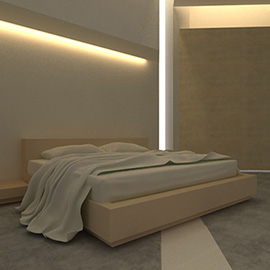
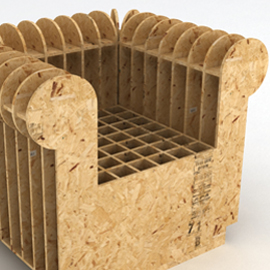
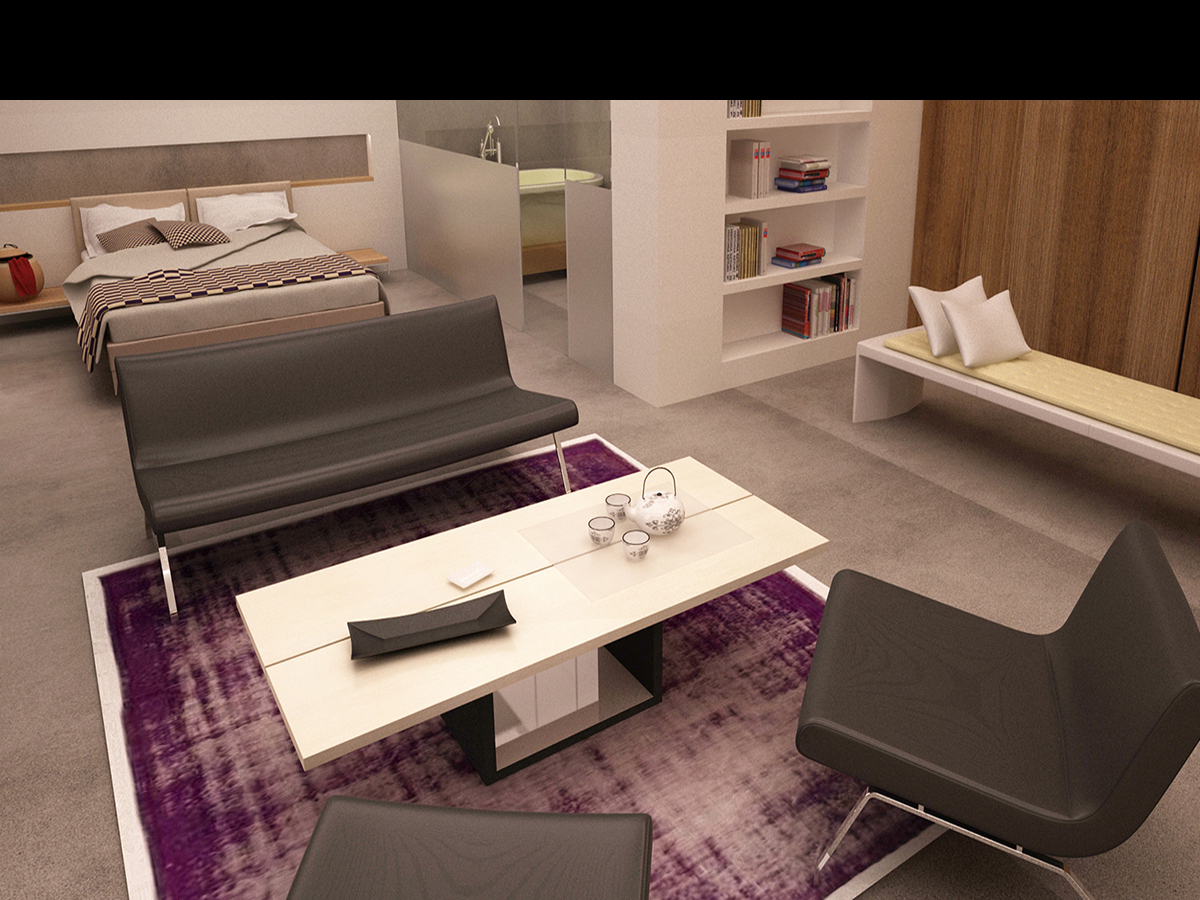
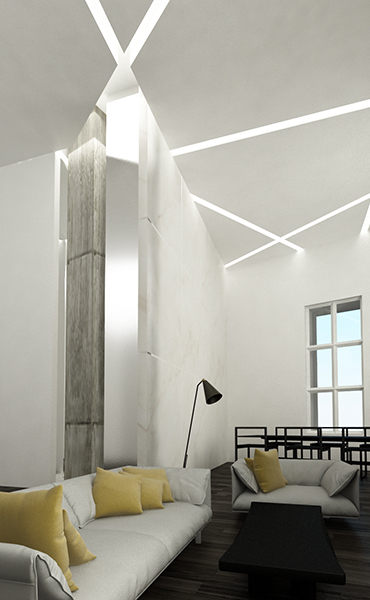
Located in Italy, students can study Interior Design for 1-year diplomas, 3-year bachelor's or a 1-year Master. The three-year bachelor's degree is issued by Goldsmiths, University of London. A key feature of FIDI's teaching is its small group studio education, averaging 10 students for design studio groups. High contact hours allow teachers to provide frequent individual feedback through desk critiques and in-class presentations. Students each develop their own projects rather than relying on group-based design assignments. Interior Design courses focus on the techniques and design processes used in professional interior design practice in Italy. Courses cover all areas of Interior Design, furniture design and interior decoration. Our interior design school has been structured to allow thorough exploration of each design concept. Form and functionality aspects are studied in the Studio Design Courses. Simultaneously, virtual 3D models of interiors and furniture are created in the computer classes to further examine the visual aspects and presentation qualities of the scheme. The focus of the program is the main studio course where themes of space planning, interior decoration, textures, color schemes and lighting while developing projects from initial research and concept design through spatial planning, technical resolution and final presentation. The smaller Interior Design school courses offer instruction in technical drawing, furniture design and software such as AutoCAD, SketchUp, Rhino and rendering. Visit our Design Gallery or social media to view examples of the types of projects realized during the course.
Teaching
Interior design group sizes allow teachers to work individually with students throughout the development of each project. Small class sizes with high contact hours ensure high frequency of feedback. Design school lectures cover many topics, technical data and design theory. Students receive regular contact with teachers through lectures, individual desk critiques, technical instruction, formative project reviews and presentations. Throughout the year, students will be given design briefs and asked to develop individual design solutions over a period of several weeks. This program requires a full-time commitment in order to obtain good results with 40 to 50 hours weekly between home and classroom study. Throughout the year, students will be issued design problems and then asked to develop design solutions over a period of weeks. Our teaching faculty is highly qualified and come from both Italy and international backgrounds. Our teachers combine professional practice with experience in design education for dynamic teaching methods, motivating course material and interactive learning.
APPLICATIONS
TUITION COST
Objectives
Interior Design at FIDI is taught through individual projects, with each student developing their own design from research to concept development through spatial planning, material selection, technical drawings and final presentation. Students are encouraged to develop their own design identity rather than following a set visual or stylistic approach. The school is structured to provide frequent opportunities for individual teacher feedback throughout every stage of the design process. By the end of the courses, Interior Design students will have acquired the training and the portfolio necessary to apply for positions in interior design firms, furniture design studios or architecture studios. Florence Institute graduates can find entry-level positions as space planners, assistant designers, rendering illustrators, digital design technicians, and production coordinators. After gaining professional experience, graduates may eventually go on to advanced positions such as leading designers or project managers. Others may establish their own design firms or take on challenging freelance assignments.
Field Trips
Field trips within Florence and to other parts of Italy are an integral part of FIDI's curriculum. The school is located in close proximity to some of Florence’s most important museums and cultural sites. Students should budget an additional €200 per term for travel and admission costs for field trips that are scheduled for classes in which they are enrolled. Regular field trips in Florence include museums, historic palazzi, churches, exhibitions and other sites relevant to the curriculum. Some of the places typically visited by Interior design students include Italy’s largest furniture exhibition Salone Internazionale del Mobile in Milan and the Cersaie international ceramics exhibition in Bologna. Italy is known worldwide for its furniture industry, and one of the course highlights for interior design students is a visit to one of Italy’s premier furniture factories.